Getting older quotes are sayings that capture the experience of aging. They express feelings about growing older through words. These quotes help people understand and accept the aging process with wisdom.
Life moves fast and birthdays keep coming whether we’re ready or not. Getting older quotes remind us we’re not alone in this journey. They turn our shared experiences into words that make us smile and nod in recognition.
These quotes range from funny observations to deep truths about aging. They help us laugh at the changes our bodies and minds go through. Reading them can make getting older feel less scary and more like an adventure worth celebrating.
Why Humor Matters When You’re Getting Older
Laughter isn’t just the best medicine it’s practically the only prescription that doesn’t come with a list of side effects longer than your grocery list. When you’re navigating the choppy waters of aging, humor becomes your life raft. Studies show that people who maintain a sense of humor about getting older experience less anxiety and depression.
They also report higher life satisfaction scores compared to those who approach aging with dread. Think about it this way: you’re going to get wrinkles whether you frown or smile, so you might as well collect laugh lines instead of worry lines. The psychological benefits extend beyond just feeling good in the moment. When you can joke about forgetting where you put your reading glasses (they’re on your head, by the way), you’re actually reframing a potentially frustrating situation into something manageable and even endearing. This mental shift doesn’t just help you cope it changes your entire relationship with aging.
Funny quotes about getting older create something powerful: community. When you read a quote that perfectly captures your experience of needing coffee before you can even think straight, or realizing that early bird specials suddenly sound appealing, you feel seen. You’re not alone in this weird transition where your body makes sounds it never made before and you genuinely get excited about a good sale at the grocery store. These shared moments of recognition build invisible bridges between people going through the same life stage.
Read This Blog:
70 Jaarboek Quotes Die Je Zullen Laten Lachen: Your Ultimate High School Yearbook Quote Guide
9 Inspiring Quotes About Getting Older To Make You Laugh
Now we’re getting to the good stuff the actual quotes that’ll make you laugh out loud and maybe screenshot to send to your group chat. These aren’t your grandmother’s inspirational posters with sunsets and generic wisdom (though we love grandma). These are fresh, honest, and hilariously real observations about what it means to navigate life after 40, 50, 60 and beyond. Created by Karen Salmansohn, a bestselling wellness author known for her book “Life Is Long: 50+ Ways To Live A Little Closer To Forever,” these quotes cut through the noise with refreshing honesty.
Salmansohn was born in 1960, which means she’s witnessed everything from the birth of the internet to the death of the mixtape and even the surprising resurrection of vinyl. She brings that breadth of experience to her work, understanding both the absurdity and the beauty of growing older in modern America. Each quote reflects a truth that’s been lived, not just observed from the sidelines.
1. Getting older might slow you down, but it sure ramps up your intolerance for BS
This quote hits different when you’ve spent decades being polite at meetings that should’ve been emails. There’s something liberating that happens somewhere around your late forties or early fifties you simply run out of patience for nonsense. That colleague who always plays devil’s advocate just to hear themselves talk? You’re not entertaining that anymore. The family member who creates drama at every gathering? You’re suddenly “busy” that weekend.
The friend who only calls when they need something? Your phone mysteriously goes straight to voicemail. It’s not that you’ve become mean or cold-hearted. You’ve just realized that life’s too short to waste on people and situations that drain your energy without giving anything back. Your younger self might have nodded through boring conversations or attended events out of obligation. Your older, wiser self has learned the art of the polite exit and the power of the word “no.”
This isn’t about being antisocial it’s about being selective with your most precious resource: time. When you were younger, time felt infinite. You could afford to waste an evening with people you didn’t really connect with or sit through a terrible movie because you’d already bought the ticket. But aging brings clarity about time’s finite nature, and with that clarity comes permission to protect your peace fiercely.
2. Every wrinkle is just a reminder of a time I was having too much fun to care about sunscreen
Let’s be honest, if you grew up in the 70s, 80s, or even 90s, sunscreen was that thing your mom made you wear to the beach, and you promptly washedit off the second she wasn’t looking. We slathered ourselves in baby oil and aimed aluminum foil reflectors at our faces. We spent entire summers turning various shades of lobster red. And now? Now we’re paying the price with those little lines around our eyes and that spot on our cheek that wasn’t there last year. But here’s the reframe this quote offers: those wrinkles aren’t mistakes or failures.
They’re souvenirs. That crinkle at the corner of your eye? That’s from thousands of genuine laughs with friends who still know all your embarrassing stories. Those lines on your forehead? Evidence of surprise parties, plot twists in great books, and moments of genuine wonder. The aging skin on your hands tells the story of gardens you’ve planted, children you’ve raised, and pets you’ve loved. Sure, if you could go back, you’d probably apply the SPF 50. But you wouldn’t trade the experiences that earned you those marks.
Every outdoor concert where you sang until your voice gave out, every beach volleyball game that lasted until sunset, every hiking trip where you forgot sun protection those moments shaped you. Your face is essentially a photo album of good times, and that’s actually pretty beautiful when you think about it that way.
3. Years might add wrinkles to the skin, but subtracting fucks given? Now that’s the real fountain of youth
Ponce de León spent his whole life searching for the fountain of youth in Florida. Turns out, he was looking in the wrong place. The real fountain of youth isn’t about erasing wrinkles or turning back the clock it’s about liberation from caring what other people think. When you’re younger, you’re weighed down by so many concerns: Does this outfit make me look weird? What will my neighbors think? Am I successful enough compared to my high school classmates? Will people judge me for this choice?
It’s exhausting. But something magical happens as you age: that weight starts lifting. First, you stop caring what strangers think. Then you stop caring what acquaintances think. Eventually, you realize you only truly care about the opinions of maybe five people, and they love you unconditionally anyway. This mental shift creates an incredible lightness of being. You wear what’s comfortable instead of what’s trendy. You pursue hobbies you enjoy even if they’re “weird.” You speak your mind instead of calculating every word.
You set boundaries without drowning in guilt. You say yes to what excites you and no to what drains you—without offering lengthy explanations. The irony is that people spent centuries searching for ways to look younger, when the key to feeling younger was always about shedding the burden of others’ expectations. Your face might show your years, but your spirit? That can feel decades younger when you’re finally, genuinely free.
4. They say as you get older, you get wiser. But I’d love to trade some of that boosted wisdom for boosted metabolism
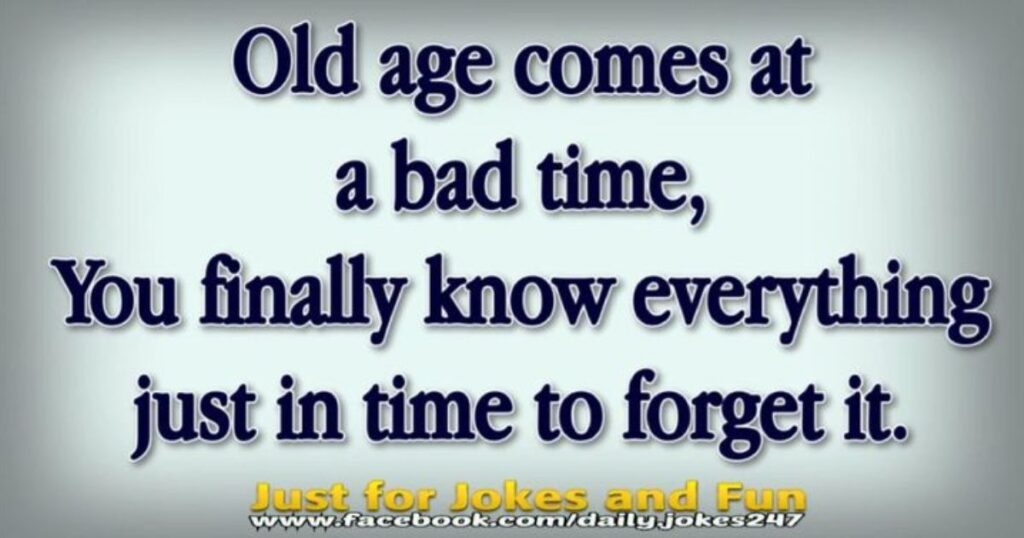
Remember when you could eat an entire pizza at midnight, wash it down with ice cream, and still wake up feeling fine? Yeah, those were the days. Now you eat two slices at 6 PM and your body acts like you’ve committed a crime. Your metabolism used to be a trusty companion that handled whatever you threw at it.
Now it’s more like a temperamental friend who needs everything just so or they’ll make you pay for it later. You gain weight if you look at carbs too long. You need eight hours of sleep just to feel human. You can’t drink coffee past 2 PM or you’ll be staring at the ceiling at 3 AM. The wisdom-for-metabolism trade this quote jokes about is painfully relatable. Sure, you now understand complex things like mortgage rates, the importance of retirement planning, and why your parents were always so tired. You’ve gained emotional intelligence, professional expertise, and hard-won life lessons.
But would you trade a smidge of that wisdom to enjoy nachos without consequences? Absolutely. The truth is, aging comes with trade-offs nobody warns you about. Your body simply doesn’t process things the same way anymore. What used to bounce back now takes time to recover. What used to be effortless now requires planning and moderation. But here’s the thing: while you can’t have your twenty-year-old metabolism back, you can use that boosted wisdom to work smarter with the body you have now.
5. When you’re young, you fear the monsters under the bed. When you’re older, you fear the monster that is a missed coffee
Childhood fears seem so quaint in retrospect, don’t they? You checked under the bed for monsters, avoided stepping on cracks, and genuinely believed the boogeyman might live in your closet. Fast forward a few decades, and the real monster is running out of coffee beans on a Monday morning. Your priorities have shifted in ways your younger self would find both hilarious and sad. The monster under the bed never showed up, but missing your morning coffee?
That turns you into the monster everyone else fears. This quote perfectly captures how aging transforms what we consider genuine threats. When you were little, your fears were imaginative but largely baseless. Now your fears are painfully practical and based on lived experience. You fear the dentist bill more than the dentist. You fear your phone dying more than the dark. You fear forgetting someone’s name mid-conversation more than actual danger. And yes, you fear the consequences of starting your day without adequate caffeine, because you’ve lived through that nightmare and everyone around you has too.
There’s something deeply relatable about how coffee becomes less of a beverage and more of a survival tool as you age. It’s not that you’re addicted (okay, maybe a little)—it’s that you’ve learned your body and mind have certain non-negotiable requirements. Sleep? Essential. Coffee? Equally essential. This shift from imaginative childhood fears to practical adulting concerns is both a sign of maturity and a source of endless humor.
6. Aging: Because adulting wasn’t enough. Now we get the “advanced” level
Remember when you thought adulting was hard? Paying bills, showing up to work on time, remembering to buy groceries, it felt overwhelming at first. Then you got the hang of it. You created systems. You set up automatic payments. You established routines. You thought, “Okay, I’ve got this adulting thing figured out.” And that’s when life laughed and said, “Great! Now let’s add health issues, aging parents, teenagers with opinions, retirement planning, and joints that predict the weather.” Welcome to Advanced Adulting, where the stakes are higher and the instruction manual is nonexistent.
This quote nails the feeling that aging keeps adding new challenges just when you thought you’d mastered the previous level. In your twenties and thirties, adulting meant figuring out your career, maybe buying a house, possibly starting a family. In your forties, fifties, and beyond, you’re juggling all that plus things nobody prepared you for: navigating the healthcare system like it’s a video game designed by someone who hates people, helping your own parents with their medical appointments while raising your kids, understanding investment portfolios and estate planning, and suddenly caring deeply about fiber intake.
The “advanced level” also includes weird new concerns like which reading glasses strength you need, whether that weird pain is serious or just your body being dramatic, and how to avoid jury duty without actually breaking any laws. It’s like someone keeps adding expansion packs to your life without asking if you’re ready for more content.
7. Growing older is mandatory. Growing a sense of humor about it? Strongly advised
Here’s a truth that’s both freeing and terrifying: you’re going to age whether you like it or not. Time doesn’t care about your feelings, your skin care routine, or your very sincere desire to stay thirty-five forever. The aging train is leaving the station with you on it, and there’s no getting off. But—and this is crucial you absolutely get to choose your attitude about the journey. Some people approach aging with bitterness, constantly mourning their youth and resenting every birthday.
They complain about everything, from technology they don’t understand to music they claim “isn’t real music.” They become walking cautionary tales of what happens when you refuse to adapt or find joy in new phases of life. Then there are the people who develop a sense of humor about the whole situation. They laugh when they forget why they walked into a room. They make jokes about their reading glasses and their newfound love of early bird specials. They embrace the absurdity instead of fighting it.
Guess which group seems happier and lives longer? The choice to find humor in aging isn’t about being fake positive or pretending everything’s perfect. It’s about acknowledging reality while refusing to let it steal your joy. Yes, your body is changing in ways that sometimes feel unfair. But isn’t it also kind of funny that you now make sounds when you stand up? That you genuinely get excited about a good parking spot? That you consider 8 PM a reasonable bedtime? The mandatory part is the aging. The optional part is suffering through it miserably.
8. Getting older means knowing more about the world and caring less about what the world thinks
This quote captures one of aging’s greatest paradoxes: you become more knowledgeable and simultaneously less concerned with proving it. When you’re younger, you’re constantly trying to demonstrate your worth, your intelligence, your coolness. You curate your image carefully. You edit your social media posts obsessively. You worry about how you’re perceived at work, at parties, in your community. It’s like living your entire life on a stage where everyone’s a critic. But as the years accumulate, something shifts. You’ve lived through enough experiences to truly understand the world’s complexity.
You’ve seen trends come and go. You’ve watched “revolutionary” ideas repeat themselves with new names. You’ve witnessed enough hypocrisy, enough contradictions, and enough plot twists to develop genuine wisdom about how things actually work. And here’s the beautiful part: along with that knowledge comes the confidence to stop performing. You no longer feel the need to impress strangers or win over people who don’t matter to you.
You wear comfortable shoes instead of cute ones that destroy your feet. You pursue interests you genuinely enjoy rather than hobbies that make you look interesting. You speak honestly instead of strategically. You form opinions based on experience rather than whatever’s trending. The world might judge you for wearing socks with sandals or not knowing the latest TikTok dance, but you’ve reached a point where their opinions simply don’t have the power they once did. You’re too busy living authentically to worry about whether you’re living “correctly” according to someone else’s standards.
9. Got more experience. Got less patience. That’s the aging trade-off
Every year you live adds another layer to your experience. You’ve handled difficult people, solved complex problems, and navigated countless situations. This accumulated wisdom is invaluable you can spot red flags earlier, make better decisions faster, and avoid pitfalls that would’ve trapped your younger self. But here’s what nobody mentions in those inspirational posts about “aging gracefully”: all that experience comes with significantly reduced patience for things you now recognize as wastes of time.
You’ve sat through enough pointless meetings to know when one is going nowhere. You’ve had enough toxic friendships to spot manipulative behavior in the first conversation. You’ve dealt with enough incompetence to have zero tolerance for people who simply won’t try. Your younger self might have given everyone the benefit of the doubt, waited patiently for people to change, or tolerated situations hoping they’d improve. Your experienced self? You’ve already seen how this movie ends, and you’re not sitting through it again.
This decreased patience isn’t about becoming a grumpy old person who yells at clouds. It’s about valuing your remaining time appropriately. When you’re twenty-five, wasting an afternoon feels inconsequential you’ve got thousands more. When you’re fifty-five, every afternoon matters because you understand viscerally that time is limited. So yes, you’re less patient with slow drivers, inefficient processes, fake people, and circular conversations that go nowhere.
That’s not a flaw it’s the natural result of experience teaching you what deserves your energy and what doesn’t. The aging trade-off means you’re simultaneously wiser and less willing to suffer fools, and honestly? That seems like a fair deal.
Also Read This Blog:
70 Jaarboek Quotes Die Je Zullen Laten Lachen: Your Ultimate High School Yearbook Quote Guide
How to Use These Getting Older Quotes in Your Daily Life
These quotes aren’t meant to just live in an article you read once and forget. They’re tools you can actively use to improve your mindset and build community around the shared experience of aging. Start by identifying which quotes resonate most strongly with you—maybe it’s the one about decreased patience or the one about coffee being essential to survival.
Take that quote and make it visible in your daily life. Set it as your phone’s lock screen so you see it every time you check your messages. Write it on a card and tape it to your bathroom mirror so it’s the first thing you read in the morning. Put it on your refrigerator where you’ll see it multiple times throughout the day.
The goal is repetition, because the more you encounter these reframing perspectives, the more they become your automatic way of thinking about aging. Beyond personal use, these quotes become powerful tools for connection when shared with others. Text your favorite one to friends who are dealing with similar aging frustrations.
Post them on social media and watch how many people comment with variations of “I FEEL SO SEEN RIGHT NOW.” Include them in birthday cards to make the recipient laugh instead of feel depressed about another year passing. Share them in group chats with your book club, your exercise group, or your work friends during conversations about aging challenges.
Conclusion
Getting older quotes remind us that aging doesn’t have to be scary or depressing. These witty sayings help us laugh at wrinkles, forgetting names, and needing coffee to function. They show that everyone experiences the same struggles with aging, creating connection through shared humor. While growing older is mandatory, suffering through it miserably is optional.
By embracing funny and honest quotes about aging, we transform our perspective from dread to acceptance. These words validate our experiences and prove that the best approach to getting older is meeting it with laughter and grace.
FAQ, S
What are the best quotes about getting older?
The best quotes combine humor with truth, like those by Karen Salmansohn that acknowledge aging’s challenges while celebrating the wisdom and freedom that come with it.
How can humor help with aging anxiety?
Humor reframes aging from a scary process into a shared human experience, reducing stress and helping you focus on gains like wisdom rather than losses.
Who is Karen Salmansohn?
Karen Salmansohn is a bestselling wellness author born in 1960, known for her book “Life Is Long: 50+ Ways To Live A Little Closer To Forever” and her humorous quotes.
Why do we fear getting older?
We fear aging because society emphasizes youth, but these fears often disappear once we reach those “scary” ages and realize we’re still ourselves.
What’s the best mindset for aging gracefully?
The best mindset combines acceptance of physical changes with humor about life’s absurdities, focusing on what you’ve gained rather than what you’ve lost through aging.